

 See My Latest Article on HelloNation
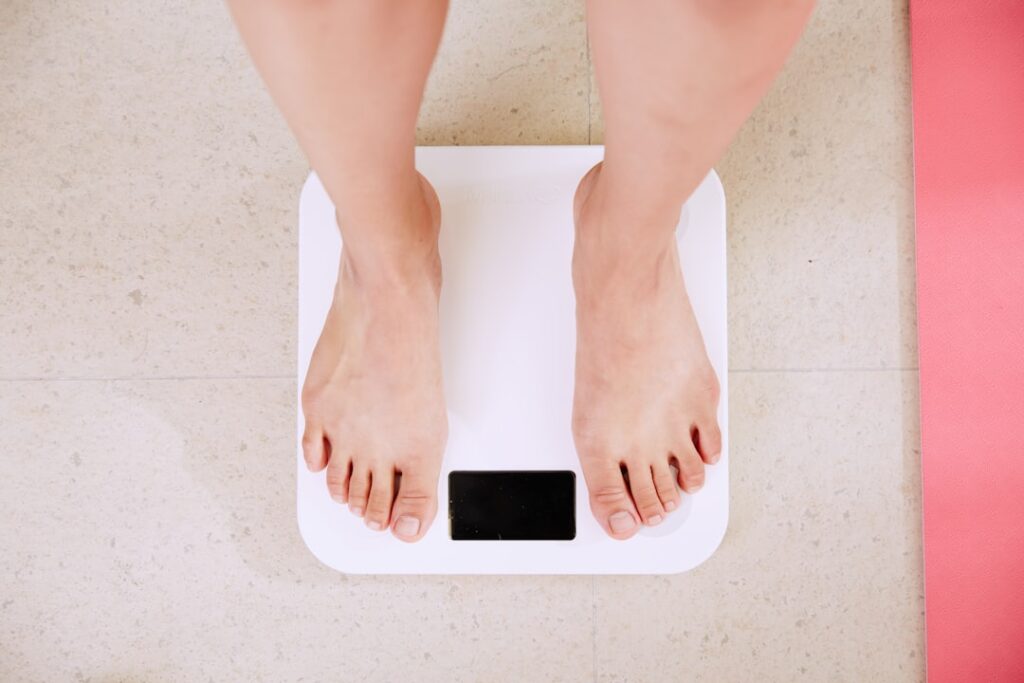
How Does Stress Affect Your Body Weight?
Stress triggers real changes in the body, influencing eating habits, hormone levels, and physical activity that can lead to weight changes. Many residents notice weight gain during stressful periods, while some experience the opposite.
When people in White Plains face daily pressures—whether related to work, family, or city living—their bodies release cortisol, often called the “stress hormone.” Cortisol prepares the body for immediate action but also prompts cravings for calorie-rich foods and tends to encourage fat storage. Over time, periods of elevated stress can disrupt normal appetite regulation.
Can Stress Make You Gain Weight, Lose Weight, or Both?
Both weight gain and loss are possible, but stress-related weight gain is more common for most adults. Here’s how these patterns emerge:
- Weight Gain: Chronic stress increases appetite for energy-dense foods, and emotional eating may become a coping mechanism. Disrupted sleep and reduced motivation for physical activity, especially during winter or busy seasons in White Plains, compound the effect.
- Weight Loss: Some people experience a loss of appetite, forget meals, or feel too anxious to eat, which can lead to unintentional weight loss.
Local realities, from cold winters limiting outdoor activities to the high-paced professional culture common in the region, may further influence these patterns.
What Changes Happen in Your Eating Habits When You’re Stressed?
Stress eating often means reaching for foods high in sugar, fats, or salt. Residents may find themselves snacking more while working from home or during long commutes.
Emotional eating isn’t just about feeling hungry; sometimes, eating becomes a way to divert attention from stressors. This can turn into a routine—snacking while watching TV after a difficult day, for example—making unhealthy foods a regular part of local households’ diets.
Are There Common Misconceptions About Stress and Weight?
Yes—two misconceptions stand out:
- Only food choices matter: Many assume that managing stress eating is just about willpower or making “better choices.” In reality, hormonal and psychological factors play a significant role.
- Stress always leads to overeating: While weight gain linked to stress is common, some individuals, particularly those with anxiety or overwhelming responsibilities, may eat less.
Recognizing these realities helps local residents respond with self-compassion and realistic expectations rather than frustration.
What Daily Habits Can Help Counteract Stress-Related Weight Changes?
Simple changes can help reduce the effect of stress on eating and physical activity—but these require consistency rather than perfection. Some strategies that fit local routines in White Plains include:
- Regular Meal Patterns: Establishing predictable mealtimes can help keep hunger and satiety cues in sync, making it easier to notice and address emotional eating.
- Mindful Eating: Paying attention to what’s being eaten and why—such as pausing before snacks to ask if hunger is physical or emotional—can interrupt stress-driven eating cycles.
- Physical Activity: Scheduling routine outdoor walks in neighborhoods, parks, or green spaces helps regulate mood and metabolism. Even short indoor activity breaks on cold days can make a difference.
- Hydration: Stress may sometimes be mistaken for hunger. Keeping a water bottle nearby makes it easier to stay hydrated and differentiate true hunger from stress cravings.
- Tech-Free Zones: Reducing screen time during meals can prevent mindless eating triggered by stress.
- Sleep Routines: Quality sleep reduces stress and supports healthy weight trends. Simple practices—like winding down with a book or keeping lights low before bed—can improve restfulness during busy weeks in the city.

When Should Residents Seek Further Support for Stress or Weight Changes?
If stress is causing persistent changes in weight, mood, or daily functioning, discussing these patterns with a health care provider is appropriate. This is especially true if there’s:
- Significant weight fluctuation over a short time
- Disturbed sleep, ongoing fatigue, or sudden loss of interest in normal activities
- Use of food as a main coping strategy most days
While most fluctuations related to stress are temporary, persistent patterns can signal an underlying medical or mental health concern.
How Can the Built Environment and Seasons in White Plains Affect Stress and Weight?
The urban-suburban mix in White Plains shapes daily habits. Many homes and apartments make use of indoor spaces for exercise during colder months, while spring and summer allow access to local parks and sidewalks for walking or biking. Seasonal changes may also affect fresh produce choices and weekly routines, which can influence both stress and body weight.
Winter weather can limit outdoor movement, potentially leading to less physical activity and more time spent indoors where snacking is tempting. Warmer months bring more opportunities to be active outside, supporting stress relief through exercise.
What Do Many People Overlook About Stress and Weight in Community Life?
Social support—whether from friends, family, or community activities—can protect against the negative effects of stress on eating habits and activity levels. Even casual connections or neighborhood involvement can offer a buffer during difficult times.
Many area residents focus only on personal habits, but changes in weight and stress are often influenced by shared experiences, routines, and family traditions, which can reinforce or help change behaviors over time.