

 See My Latest Article on HelloNation
What Are Realistic Goals for New Exercisers in White Plains, NY?
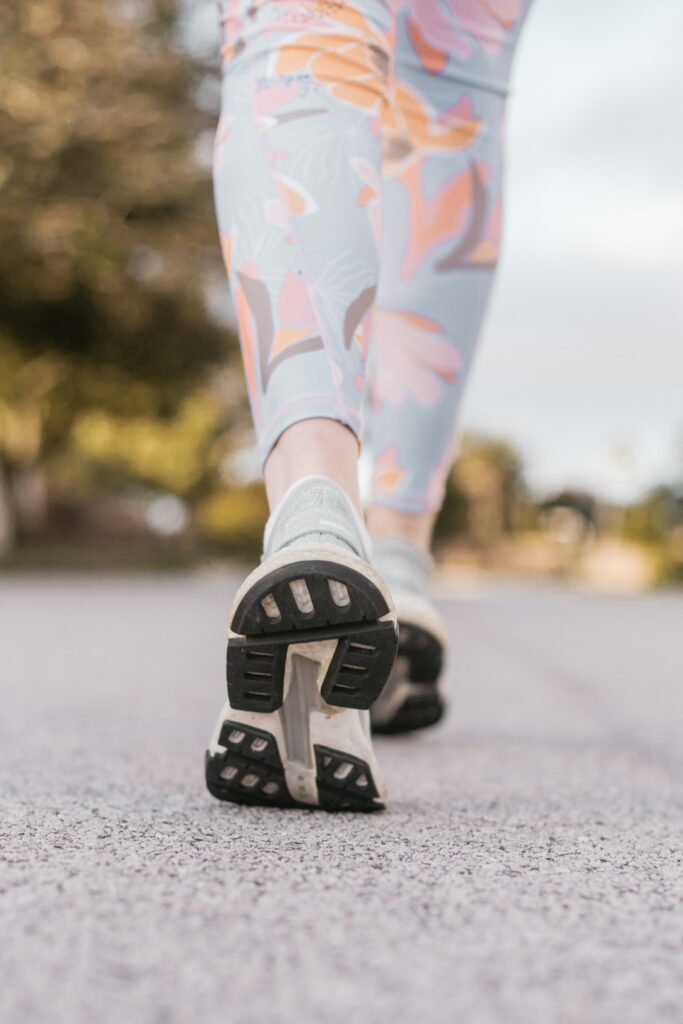
Starting exercise with manageable expectations helps prevent burnout and injury. Most local adults new to fitness can benefit from aiming for consistency over intensity. For many, walking 15 to 30 minutes several days a week—indoors or outdoors—provides significant health benefits, especially when paired with medical weight loss plans.
White Plains’ sidewalks, local multipurpose paths, and public parks offer practical spaces to move regularly. Weather can be unpredictable, so having both indoor and outdoor options supports year-round activity. Residents sometimes think results should happen quickly, but gradual changes in strength, energy, and weight are normal. Progress may look different from person to person, especially with chronic medical conditions.
Which Exercises Are Considered Safe for Beginners?
Low-impact activities are typically safest while building a fitness base. These exercises put less stress on joints and reduce the risk of injury for individuals who may be managing higher weight, older age, or medical concerns. Popular beginner-friendly movements include:
- Walking (on sidewalks, trails, or even in local malls during colder months)
- Gentle cycling (either stationary bikes or low-traffic, flat outdoor routes)
- Water aerobics or swimming (if access to a pool is available)
- Chair exercises and seated strength routines
At home, bodyweight movements like wall push-ups, standing leg lifts, or gentle stretching routines can be done in small living spaces. Residents who have not exercised in a long time should start with 10-minute sessions, adding a few minutes each week.
How Often Should You Exercise for Medical Weight Loss Support?
For most adults seeking to improve health and support weight loss, guidelines suggest at least 150 minutes of moderate-intensity activity per week. For beginners, this might mean walking 20–30 minutes five times a week. Spreading activity throughout the week adds up—even short bouts of 5 or 10 minutes help.
Strength-building routines two days per week are also beneficial, as muscle helps burn calories even at rest. This could involve basic exercises like chair squats, wall push-ups, or using resistance bands found in many homes.
Local households may find it easier to fit movement into daily routines by walking after dinner, doing housework briskly, or climbing apartment stairs when safe.
Are There Any Precautions for Cold or Hot Weather?
White Plains experiences both cold winters and warm, humid summers. Adjusting routines based on current conditions helps keep exercise safe throughout the year.
- In summer, walk earlier or later in the day to avoid midday heat. Wear moisture-wicking clothing and hydrate well.
- In winter, try mall walking, take extra care on icy sidewalks, and consider online exercise classes or indoor routines when outdoor conditions are unsafe.
- Always wear supportive footwear and appropriate layers for the season.
Residents who use public green spaces or sidewalks should be aware of shifting surfaces, especially after storms or snow.
What Should a Beginner Exercise Routine Actually Look Like?
A sample week for a new exerciser in the city might include:
- Monday: 15-minute brisk walk outdoors or indoors
- Tuesday: Gentle bodyweight routine (wall push-ups, seated leg raises)
- Wednesday: Rest or light stretching
- Thursday: 20-minute walk, choosing a scenic route for motivation
- Friday: Chair exercises and 10 minutes of balance practice
- Saturday: Walk with a family member or neighbor
- Sunday: Rest or light yoga/stretch
Every workout should start and end with a few minutes of easy movement or stretching to help muscles warm up and recover.
Is Stretching or Warming Up Really Necessary for Beginners?

A brief warm-up and cool-down are essential parts of any routine, even for beginners. Warming up—such as marching in place or stretching arms and legs—prepares the body for movement and reduces injury risk.
White Plains residents moving from a mostly sedentary lifestyle may notice stiffness at first, making these preparation steps particularly helpful. Gentle stretching after activity aids flexibility and comfort.
How Can Motivation Be Maintained Over Time?
It’s common for interest in new habits to fade after a few weeks. Practical ways to stick with movement include:
- Tracking progress with a notebook or phone (recording steps, sessions, or mood)
- Mixing routines so they stay interesting, using different routes or exercise types
- Inviting a friend, family member, or neighbor to join occasionally—having a companion increases enjoyment and accountability
- Celebrating small milestones, such as a week of consistent walks or being able to climb stairs more easily
Community resources and group activities in parks can add variety and encouragement, particularly during milder months.
Are There Health Conditions That Affect the Best Starting Point?
Certain health issues common among area residents—such as diabetes, high blood pressure, or joint pain—require extra attention. Most low-impact routines are safe for these conditions, but individuals managing any chronic illness, recent injury, or major surgery should talk with their medical provider about appropriate modifications before increasing activity.
Knowing your own limits is key, and it’s normal for different people to need modifications in pace or duration. Warning signs like chest pain, dizziness, or severe shortness of breath mean stopping exercise and seeking medical advice.
What Are Common Mistakes Beginners Should Avoid?
Many people new to regular movement try to do too much, too soon, assuming more is always better. Other frequent mistakes include:
- Skipping warm-ups or cool-downs
- Choosing high-impact or advanced routines before the body is ready
- Exercising in unsafe weather without adjustments
- Comparing progress directly to others
Focusing on gradual habit-building, listening to your own body, and adjusting for the local environment makes exercise safer and more sustainable for everyone in White Plains.