

 See My Latest Article on HelloNation
What Is Medical Weight Loss and Who Typically Seeks It?
Medical weight loss refers to a structured approach to weight management overseen by a licensed healthcare provider. Unlike traditional dieting, this process uses medical expertise to tailor plans to individual health needs and goals. Local residents often pursue medical weight loss for reasons including difficulty losing weight through diet and exercise alone, managing conditions like high blood pressure or type 2 diabetes, or because other approaches haven’t worked. People in White Plains may also seek medical supervision for safety and to maximize long-term success, especially if dealing with health concerns affected by weight.
What Happens Before You Arrive for Your First Visit?
After setting up a first visit, you’ll typically be asked to complete health questionnaires covering medical history, eating habits, medications, and relevant family history. Gathering recent lab results or medical documents can be useful for your provider to get a clear health picture. In White Plains, most clinics follow privacy regulations closely, so residents can expect their information to be handled with care.
What Should You Expect During the Appointment?
At your first appointment, you’ll meet with a medical professional—usually a doctor, nurse practitioner, or physician assistant—who specializes in weight management. The process generally includes:
- A detailed conversation about your health journey and past attempts at weight management
- Review of your medical and family history
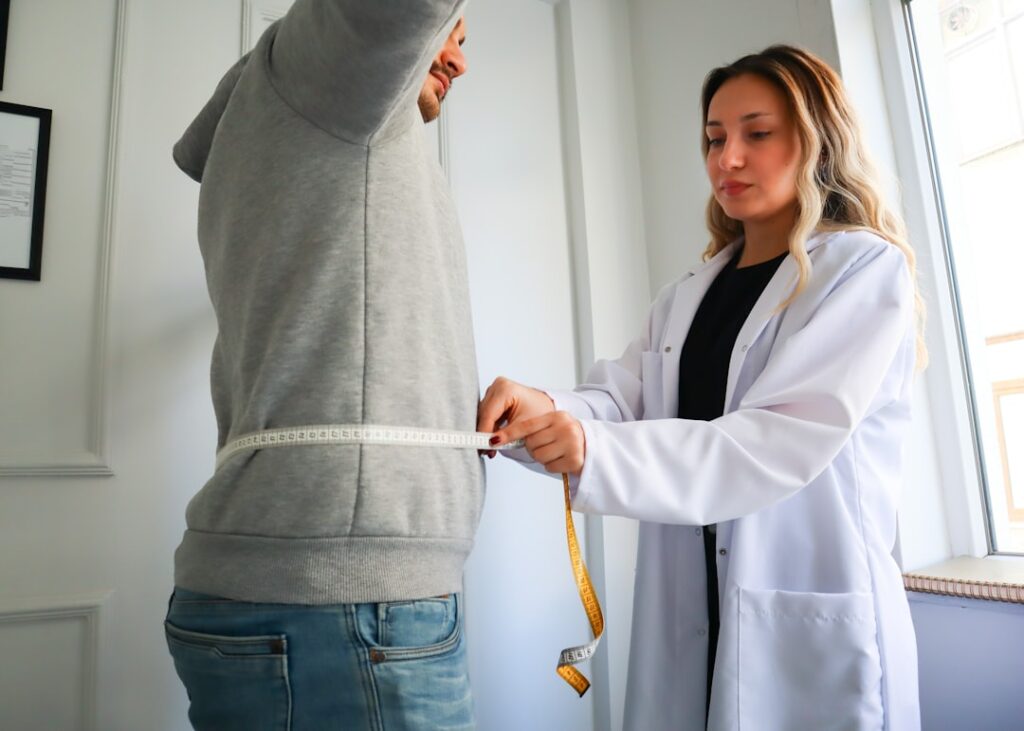
- Measurement and review of vital signs (weight, height, blood pressure, heart rate, etc.)
- Laboratory tests may be ordered (such as blood glucose, cholesterol, thyroid function) if not previously obtained
Physical exams are typically straightforward, focusing on understanding your current health status. Local practitioners may also inquire about lifestyle factors specific to area households, such as the impact of work-from-home arrangements or commuting on activity levels.
How Is a Personalized Plan Developed?
After evaluating your health profile, the provider will discuss safe and realistic goals. Most medical weight loss programs in the area emphasize gradual, sustainable progress rather than rapid loss. Plans are not “one size fits all”—they may include:
- Nutrition guidance tailored to local eating patterns and available seasonal produce
- Suggestions for physical activity that consider local infrastructure, such as park access or weather conditions
- Recommendations to address barriers, like busy family schedules or local commute times
- Discussion of possible weight loss medications (if appropriate), their pros and cons, and monitoring needs
Residents are encouraged to be open about past challenges and current routines, since transparency helps create a more effective strategy.
Will the Appointment Include Any Unexpected Tests or Procedures?
Most first appointments focus on information gathering without invasive procedures. Lab work, if recommended, is generally done via standard blood draws. Additional diagnostic tests may be suggested if there’s concern about underlying medical issues, but these are usually discussed in advance.
There is often a misconception that medical weight loss visits will be uncomfortable or judgmental. In practice, local providers aim to create a partnership atmosphere, focusing on education and support rather than blame.

What Questions Should You Ask at Your First Medical Weight Loss Visit?
Residents benefit from asking questions to better understand the process. Common questions include:
- What are reasonable expectations for progress based on my health status?
- Are there specific dietary recommendations suited to the local food environment?
- What support resources are available for tracking meals, exercise, or emotional well-being?
- How often will follow-ups occur, and what monitoring is needed?
- What should I do if I experience side effects from recommended medications?
Clear communication helps prevent misunderstandings and ensures individualized care.
How Does Local Lifestyle Influence Weight Management Plans?
Living in a suburban community with distinct seasons impacts weight management choices. For example, walking or biking may be convenient in spring and fall, but indoor fitness routines or local gym access are useful in winter. The city’s pace of life—including commuting patterns and popular food delivery habits—are often considered when building sustainable plans. Providers may recommend practical solutions for meal planning that work with children’s activities, irregular work hours, or social gatherings common in the area.
What Happens After Your First Appointment?
A follow-up schedule is usually established to track progress, address challenges, and adjust the plan as needed. Many medical weight loss programs in the community encourage ongoing education and offer periodic group sessions or check-ins to maintain motivation and accountability.
Changes are often incremental: the goals set at the first appointment may be adjusted based on early experiences. Local residents often find that combining expert guidance with accessible community resources leads to more sustainable outcomes over time.